
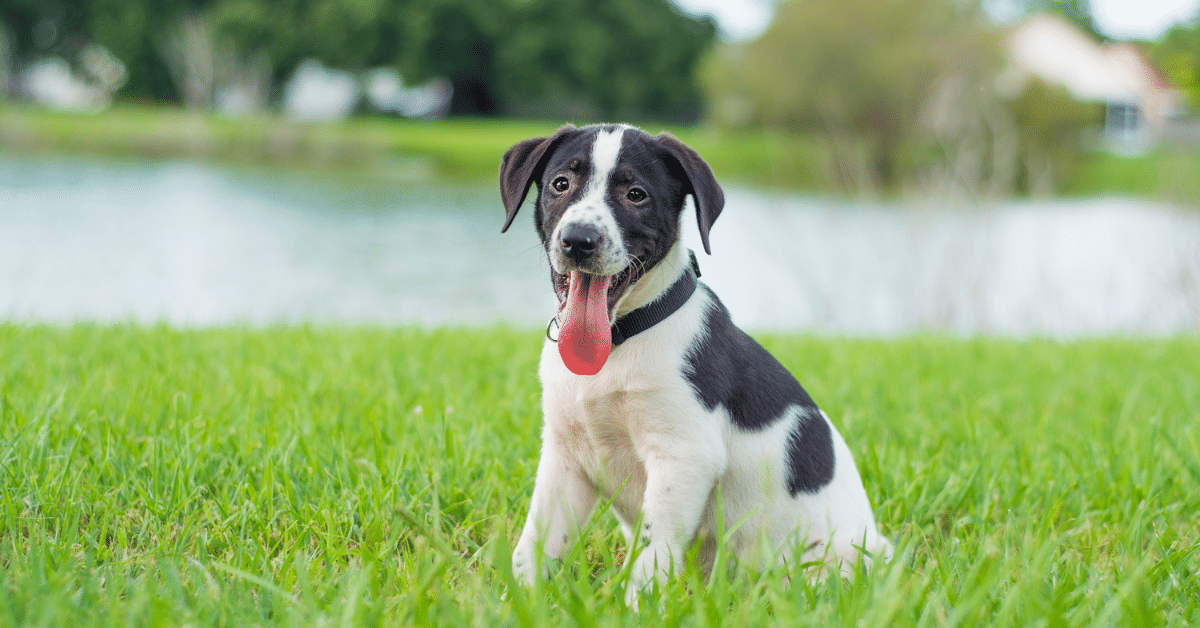
Bringing home a puppy is one of the most exciting milestones for any dog lover. There’s nothing quite like those tiny paws, playful zoomies, and the beginning of a lifelong bond. But along with the excitement comes responsibility. Having a clear and organized new puppy checklist helps ensure you’re fully prepared before your puppy ever steps through the door.
At Berks Pet Care, we’ve supported many first-time dog owners throughout Berks County. We’ve seen firsthand how preparation can make the transition smoother for both puppies and their families. We’ll walk you through everything you need to consider, from supplies to scheduling to safety, so you can start this new chapter with confidence!
Why Every First-Time Owner Needs a New Puppy Checklist
A puppy’s first weeks at home shape their behavior, confidence, and comfort. A thoughtful new puppy checklist helps prevent common challenges like accidents, separation anxiety, and inconsistent training.
When you prepare ahead of time, you:
- Reduce stress for your puppy
- Create structure and predictability
- Avoid last-minute shopping trips
- Establish healthy habits from day one
- Feel more confident in your new role
Preparation is not about perfection. It is about setting realistic expectations and creating a stable environment where your puppy can thrive.
Essential Supplies: What to Buy Before Your Puppy Arrives
One of the first steps in building your new puppy checklist is gathering the right supplies. Puppies grow quickly, so choose items that are safe, durable, and appropriate for their current size.
Feeding Essentials
- High-quality puppy food recommended by your veterinarian
- Food and water bowls, stainless steel is easy to clean
- Measuring cup for consistent portions
Crate and Bedding
- Properly sized crate for house training
- Soft, washable bedding
- Crate divider if needed for growing breeds
Leash and Collar
- Adjustable collar with ID tag
- Lightweight leash for early training
- Harness designed for puppies
Toys and Enrichment
- Soft chew toys
- Durable teething toys
- Puzzle toys for mental stimulation
Having these items ready before arrival ensures your puppy feels secure and supported right away.
Puppy-Proofing Your Home
A critical part of your new puppy checklist is evaluating your home environment. Puppies explore with their mouths, so anything within reach becomes interesting.
Take time to secure electrical cords, remove small objects from floors, store cleaning products safely, keep trash cans covered, and block access to unsafe rooms.
If you have a yard, check fencing for gaps and ensure gates latch securely. Winter in Pennsylvania also means checking for ice, sharp edges, and salt that can irritate paws.
Establishing a Daily Routine
Structure helps puppies feel safe. Another key section of your new puppy checklist should focus on daily scheduling.
Puppies typically need regular potty breaks every one to two hours, consistent feeding times, short training sessions, multiple play periods, and scheduled nap times.
Consistency is especially important for house training. The more predictable your routine, the faster your puppy learns. For working families, this may mean planning for midday visits or dog walking support to prevent long stretches alone.
Veterinary Care and Health Planning
Your new puppy checklist should always include medical preparation.
Schedule a veterinary appointment within the first few days of bringing your puppy home. Your vet will review vaccination schedules, discuss parasite prevention, check weight and overall health, and answer feeding and development questions.
Keep records organized in a folder or digital app so you can easily track appointments and medications.
Training Foundations
Training begins immediately. A complete new puppy checklist is not just about supplies, it is about communication and consistency.
Start with name recognition, simple cues like sit, gentle leash introduction, and positive reinforcement techniques. Short, positive sessions work best. Puppies have limited attention spans, so keep training engaging and encouraging.
If you are unsure where to begin, professional trainers can offer helpful guidance.
Socialization and Confidence Building
Socialization is a vital part of your new puppy checklist because it shapes long-term behavior. Exposing your puppy to different sights, sounds, and safe experiences helps reduce fear later in life.
Focus on calm introductions to vaccinated dogs, meeting new people, exposure to different surfaces, short car rides, and everyday household noises.
During winter in Pennsylvania, introduce snow gradually and monitor comfort levels in colder temperatures.
Winter Considerations for Pennsylvania Puppies
If you are bringing home a puppy during colder months, your new puppy checklist should include seasonal adjustments.
Winter essentials may include puppy-safe paw protection, a soft towel near entryways, limited outdoor time during freezing temperatures, and avoiding heavily salted sidewalks.
Young puppies are more sensitive to cold, so keep outdoor breaks brief and supervised.
Planning for Work and Busy Schedules
Many first-time owners quickly realize that time management is one of the most important parts of a successful new puppy checklist.
Puppies need frequent potty breaks and interaction. If you work outside the home for extended hours, consider arranging midday dog walking, drop-in pet visits, gradual crate training, or structured enrichment toys to keep them mentally engaged.
Reliable support ensures your puppy is not alone too long, which can prevent accidents and anxiety.
Common Mistakes First-Time Owners Make
Even with a strong new puppy checklist, new pet parents sometimes overlook important details. Inconsistent routines, overexercising young puppies, skipping socialization opportunities, waiting too long to begin training, and expecting immediate perfection are all common challenges.
Growth takes time. Patience and consistency matter far more than doing everything perfectly.
Building Long-Term Healthy Habits
A well-designed new puppy checklist should extend beyond the first week. Think about the habits you want your dog to develop over time.
Focus on regular exercise, continued training, preventative veterinary care, grooming routines, and mental enrichment. Dogs thrive on structure and engagement. The effort you invest early often leads to a confident and well-adjusted adult dog.
Creating a Support System
You do not have to navigate puppyhood alone. A thoughtful new puppy checklist includes identifying trusted professionals who can help when needed.
This may include a reliable veterinarian, a positive reinforcement trainer, a professional pet sitting or dog walking service, and emergency contacts. Having these connections established ahead of time provides peace of mind.
Grow with Confidence
Welcoming a puppy into your life is a joyful and transformative experience. While it may feel overwhelming at first, a thoughtful new puppy checklist keeps you organized and focused on what matters most, creating a loving and structured environment where your puppy can grow with confidence.
With preparation, patience, and the right support, those early weeks become the foundation for years of companionship and trust.
If you are preparing for a new puppy and need dependable support, Berks Pet Care is here to help! 🐾 Follow us on Facebook for more tips!