
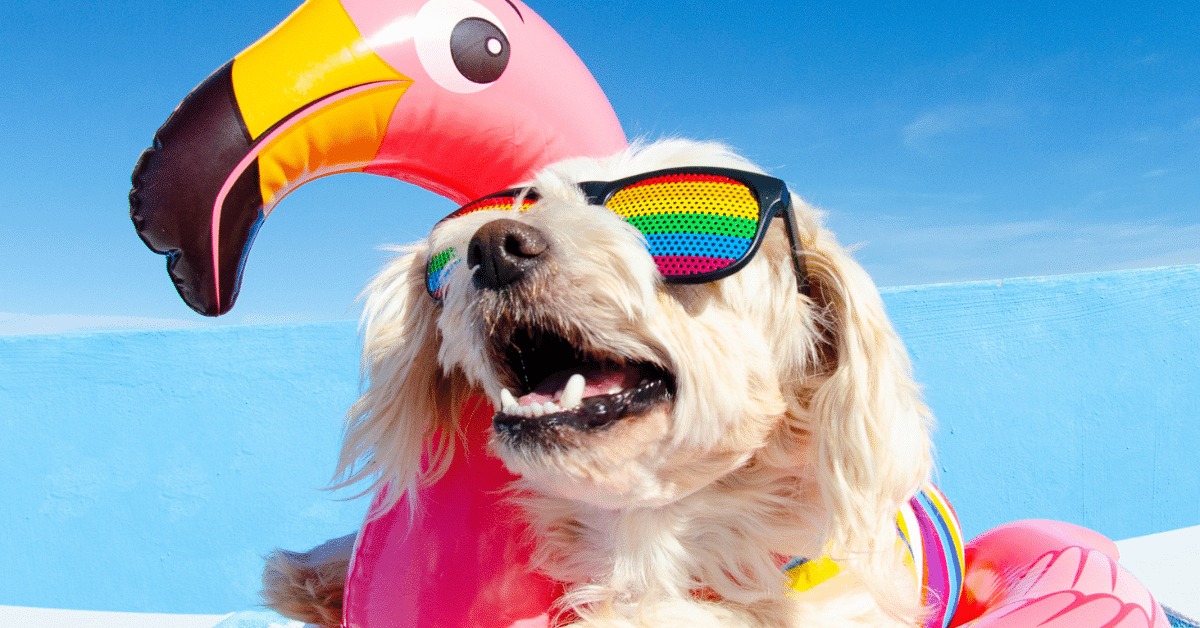
Summer is a favorite season for many pet owners. Longer days, warm weather, family vacations, and outdoor adventures create plenty of opportunities to spend quality time with your pets! Whether you’re enjoying walks through Berks County, relaxing in the backyard, or heading out for a weekend getaway, summer offers countless ways to make memories with your furry companions.
However, warmer temperatures also bring unique challenges. Heat, humidity, hot pavement, dehydration, and increased outdoor activity can all affect your pet’s health and comfort. Understanding proper summer pet safety helps ensure your dog or cat can enjoy the season without unnecessary risks.
At Berks Pet Care, we know that pets thrive when they can safely participate in family activities. With a little planning and awareness, you can help your pet stay comfortable, healthy, and happy all summer long!
Why Summer Requires Extra Attention for Pets
Unlike people, pets have limited ways to cool themselves down. Dogs primarily regulate body temperature through panting, while cats often seek cool, shaded areas to escape the heat. During periods of high temperatures and humidity, these natural cooling methods may not always be enough.
This is why summer pet safety becomes especially important during the hottest months of the year. Even healthy pets can experience discomfort when temperatures rise, and some breeds, ages, and health conditions make certain animals more vulnerable than others.
Puppies, senior pets, overweight animals, and brachycephalic breeds such as Bulldogs, Pugs, and Persian cats may have a harder time managing heat. Understanding your pet’s individual needs allows you to make smart decisions about outdoor activities and daily routines.
Start With Proper Hydration
One of the most important aspects of summer pet safety is ensuring your pet stays hydrated throughout the day.
Water supports virtually every function in your pet’s body. During warmer weather, pets lose more moisture through panting and activity. Without enough water, dehydration can develop quickly.
Make fresh water available at all times and check bowls frequently. Outdoor bowls should be placed in shaded locations and refreshed regularly to keep the water cool and appealing.
If you’re spending time outdoors, bring portable water and a travel bowl. Offering frequent water breaks during walks, hikes, or play sessions can help prevent overheating and encourage healthy hydration habits.
Some pets enjoy ice cubes added to their water bowls or frozen treats made specifically for animals. These can provide a fun way to help keep them cool while supporting summer pet safety.
Adjust Your Walking Schedule
Summer weather often requires changing your normal exercise routine.
Midday temperatures can become uncomfortable, even when they don’t seem extreme to humans. Sidewalks, asphalt, and concrete absorb heat and can become surprisingly hot.
For better summer pet safety, plan walks during cooler parts of the day. Early morning and evening hours are often ideal because temperatures are lower and surfaces have had time to cool.
Pay attention to your dog’s behavior during walks. Slowing down, excessive panting, or reluctance to continue may indicate they need a break or a shorter outing.
Adjusting activity schedules doesn’t mean reducing exercise completely. It simply means exercising smarter during hot weather.
Be Mindful of Hot Pavement
One of the most overlooked parts of summer pet safety involves protecting your pet’s paws.
Pavement can become much hotter than the surrounding air temperature. A sunny day with an air temperature of 85 degrees may result in pavement temperatures that are significantly higher.
Before heading out, place the back of your hand on the pavement for several seconds. If it’s too hot for your hand, it’s likely too hot for your dog’s paws.
When possible, choose grassy paths, shaded trails, or dirt surfaces. These areas are generally cooler and more comfortable.
Protecting paw pads from excessive heat helps prevent burns and keeps walks enjoyable throughout the season.
Recognize Signs of Overheating
Understanding the warning signs of overheating is essential for effective summer pet safety.
Pets may display several symptoms when they become too warm, including:
- Excessive panting
- Drooling more than usual
- Lethargy
- Difficulty walking
- Bright red gums
- Vomiting
- Disorientation
If you notice these signs, move your pet to a cool area immediately. Offer water and contact your veterinarian if symptoms appear severe or do not improve quickly.
Early recognition often makes a significant difference in preventing more serious heat-related issues.
Provide Plenty of Shade
Outdoor play can still be enjoyable during summer when pets have access to shade.
Creating shaded areas supports summer pet safety by giving animals a comfortable place to rest and cool down.
Natural shade from trees is helpful, but additional options include covered patios, canopies, umbrellas, or pet-specific shade structures.
If your pet spends time outdoors, make sure shaded areas remain available throughout the day as the sun changes position.
Remember that even shaded areas can become warm during extreme temperatures, so regular access to fresh water remains essential.
Never Leave Pets in Parked Vehicles
One of the most important summer pet safety rules is simple: never leave a pet unattended in a parked vehicle.
Temperatures inside vehicles can rise rapidly, even when outside temperatures seem moderate. Cracking windows provides very little protection against heat buildup.
What may feel like a quick errand can quickly become dangerous for a pet waiting in a vehicle.
If your destination does not allow pets inside, it’s usually best to leave them comfortably at home rather than bring them along for the ride.
Make Backyard Time More Enjoyable
Many pets enjoy spending summer days in their own backyard.
You can enhance summer pet safety while encouraging outdoor fun by creating a pet-friendly environment.
Consider adding:
- Kiddie pools for dogs that enjoy water
- Cooling mats
- Shaded resting areas
- Pet-safe sprinklers
- Fresh water stations
These simple additions can make outdoor spaces more comfortable and enjoyable during warm weather.
Always supervise outdoor activities, especially when pets are swimming or exploring unfamiliar areas.
Keep Summer Adventures Safe
Summer often means more trips to parks, trails, lakes, and outdoor events.
Planning ahead is a valuable part of summer pet safety because new environments may introduce unfamiliar hazards.
Before visiting a new location:
- Confirm pets are allowed
- Bring water and supplies
- Check weather forecasts
- Review leash requirements
- Be aware of wildlife
Preparation helps create positive experiences while minimizing surprises.
Protect Against Parasites
Warm weather brings increased activity from fleas, ticks, and mosquitoes.
Summer pet safety includes staying current on veterinarian-recommended parasite prevention. These pests can cause irritation and may transmit diseases that affect both pets and people.
After spending time outdoors, check your pet for ticks and brush through their coat to identify any concerns.
Maintaining preventative care throughout the season helps keep pets comfortable and healthy.
Remember Indoor Safety Too
Many people focus exclusively on outdoor risks, but indoor environments matter as well.
Air conditioning, fans, and proper ventilation all contribute to summer pet safety when temperatures rise.
Make sure your pet has access to cool resting areas and avoid encouraging intense indoor activity during the hottest parts of the day.
Some pets naturally seek out cooler surfaces like tile floors. Allowing them access to these areas can help them regulate body temperature comfortably.
Consider Your Pet’s Individual Needs
Every pet is different.
Some dogs can comfortably enjoy longer outdoor adventures, while others may need shorter activity periods and more frequent breaks. Cats may spend more time resting during hot weather and become active during cooler hours.
Successful summer pet safety involves paying attention to your individual pet rather than following a one-size-fits-all approach.
Age, breed, size, health history, and fitness level all influence how a pet responds to warm weather.
Learning your pet’s preferences and limits helps you create a summer routine that works best for them.
Summer Travel and Pet Care Planning
Summer is one of the busiest travel seasons of the year. While some pets travel with their families, others are happiest staying home.
For many pets, remaining in a familiar environment can reduce stress and maintain normal routines. Professional pet care allows pets to stay comfortable while owners enjoy vacations and summer activities.
Whether you’re away for a weekend or a longer trip, having a plan in place contributes to summer pet safety and helps ensure your pet’s needs continue to be met consistently.
Enjoying Summer Together
Summer should be a season of fun, exploration, and quality time with your pets. By taking a proactive approach to summer pet safety, you can enjoy outdoor adventures while protecting your pet’s health and comfort.
Simple habits such as providing water, avoiding peak heat, monitoring for signs of overheating, and creating shaded resting areas can make a significant difference. These small efforts allow pets to safely enjoy all the experiences that make summer special.
With thoughtful preparation and awareness, you can create a summer full of happy memories while helping your pet stay safe every step of the way.
If you ever need reliable, safety-focused care for your dog in Berks County, Berks Pet Care is always here to help! 🐾 Follow us on Facebook for more tips!